
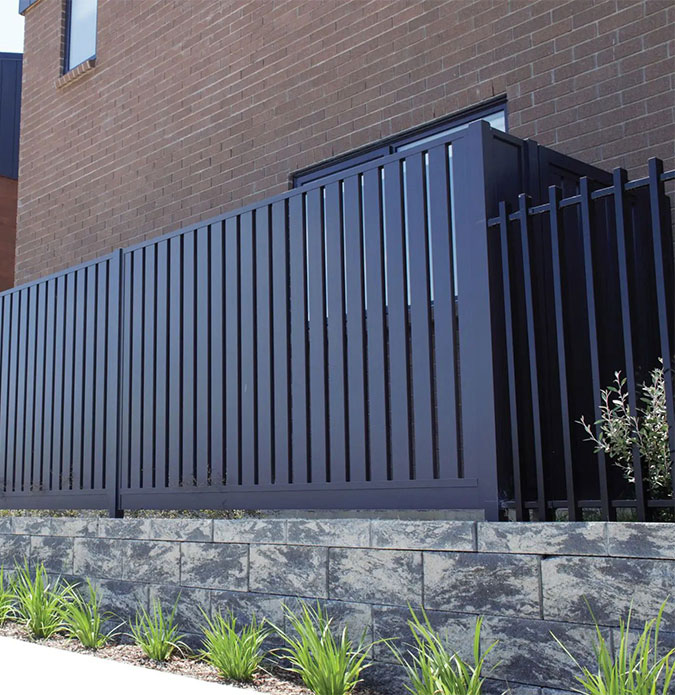
If you’re researching fencing Adelaide options, you’ve probably realised there’s no “one perfect fence” for every home. The right choice depends on what you want the fence to do (privacy, pets, security, street appeal), what your property is like (flat block vs slope, soil type, coastal exposure), and how much maintenance you’re willing to take on.
This guide breaks down the most common fence types Adelaide homeowners choose, what local conditions mean for materials, and the key decisions that help you avoid costly mistakes, and why you should choose Adelaide Landscaping Group, as your trusted fencing business.
Common fencing goals in Adelaide
Before you compare materials, get clear on what you actually need your fence to achieve. Most Adelaide homeowners fall into one (or more) of these goals:
Privacy
If you’re in a busier area (think Glenelg, Brighton, or near main roads), privacy fencing is often the priority—especially around entertaining areas, pools, or front yards with big windows.
Security and boundary definition
A solid boundary fence can help define your property lines, reduce unwanted foot traffic, and create a stronger “edge” between your home and neighbouring blocks.
Noise reduction
While fencing won’t fully soundproof your yard, a well-built solid fence can reduce noise compared to open-style fencing. This matters if you’re near traffic corridors or lively public areas.
Pets and kids
For dogs, it’s not just fence height—it’s also dig-risk areas, gaps under gates, and whether the fence can withstand jumping or pushing.
Street appeal
Front fencing is often about first impressions. A fence can lift your home’s look quickly when it matches your landscaping and façade.
Quick checklist: define your fence goal
-
Do you need privacy, security, pet control, or street appeal most?
-
Is the fence mainly for the backyard, side boundary, or front?
-
Are there strong winds, coastal air, or sandy soils to consider?
-
Do you want low maintenance or are you okay with regular upkeep?
Fence types and which Adelaide yards they suit
Below are popular fence styles Adelaide homeowners consider, with practical notes on where they work best.
Timber fencing
Timber is a common choice for boundary fencing because it looks natural and suits many home styles.
Best for
-
Traditional homes, leafy suburbs, and properties that want a softer, natural finish
-
Privacy fencing with a full solid look
Things to watch
-
Timber needs upkeep (staining/painting) to stay looking good
-
It can warp over time in heat, or wear faster in exposed conditions
-
Termites and rot risks depend on the timber type and installation quality
Adelaide tip: If you’re in a hot, exposed area or get harsh afternoon sun, ask about timber options that hold up better and plan for a maintenance schedule.
Colorbond and steel options
Colorbond-style fencing is one of the most popular low-maintenance choices for fencing Adelaide projects, especially where people want privacy without constant repainting.
Best for
-
Low maintenance needs
-
Modern homes and clean, crisp finishes
-
Windy areas (when installed correctly with appropriate posts and fixings)
Things to watch
-
Coastal air can speed up corrosion if materials/specs aren’t right
-
Cheaper installs can rattle, bow, or loosen in strong wind
-
Scratches can happen during installation—good workmanship matters
Adelaide tip: If you’re near the coast (like Glenelg or Brighton), talk through material choices and protective considerations for salt exposure.
Good neighbour / boundary fences
Boundary fences are often built or replaced because a fence is failing, leaning, or no longer providing privacy.
Best for
-
Replacing old or damaged boundary fencing
-
Creating a shared, consistent boundary line
-
Improving privacy and security for both properties
Things to watch
-
Neighbour discussions can slow the process if expectations aren’t aligned
-
Boundary placement matters—measurements and agreement should be clear
-
Responsibilities and approvals can vary (more on this below)
Picket fencing (front fencing)
Picket fencing is a classic front-yard option that adds charm and defines the space without making the home feel closed off.
Best for
-
Street appeal and front boundary definition
-
Homes that want a welcoming look
-
Gardens and landscaping-focused front yards (pairing nicely with landscaping services)
Things to watch
-
Lower fences won’t suit security or privacy needs
-
Timber pickets require maintenance
Sloping block and retaining considerations
If your yard slopes—common in parts of the Adelaide Hills—your fence choice and installation method become more important.
In some cases, fencing ties in with retaining. If you’re dealing with level changes, it’s worth planning fencing alongside retaining wall solutions so everything works together (and lasts longer).
What Adelaide weather means for fencing
Adelaide conditions can be rough on fences—especially when you combine heat, wind, and coastal air.
Wind exposure
Many suburbs experience strong gusts seasonally. Solid fences act like sails, so strength and correct installation matter.
What helps
-
Correct post depth and spacing
-
Quality fixings and a solid framework
-
Choosing designs suited to wind exposure (especially for tall privacy fences)
Coastal air and corrosion
If you’re closer to the coast, salt in the air can speed up corrosion on certain materials and fixings. It doesn’t mean you can’t choose steel—just plan it properly.
Heat and sun
Hot summers can cause expansion/contraction in materials. Timber can dry and warp. Dark surfaces can absorb heat, which may influence material choice and placement (especially around entertaining areas).
Sandy soils and ground movement
Some Adelaide areas have sandier soils. Soil type can affect how posts hold over time and whether you’ll see movement or leaning if the fence isn’t installed well.
Council rules and boundary responsibilities (high level, non-legal)
Fencing rules can vary based on:
-
Fence height and location (front vs side vs rear)
-
Corner blocks and sightlines
-
Pool safety requirements (if applicable)
-
Heritage or special zoning overlays (in some areas)
Boundary fencing responsibilities can also vary depending on your situation. For anything that might be disputed or requires approval, it’s smart to check your local council guidance and talk with neighbours early.
Practical tip: If you’re unsure, start with a site visit and a clear written quote. It reduces surprises before the job begins.
Signs you need a professional fencing contractor
Some fence projects look “DIY-friendly” until you hit the reality of posts, levels, and ground conditions. You’ll usually want a professional when:
-
Your fence line runs on a slope or uneven ground
-
You need gates aligned properly (so they don’t sag over time)
-
You’re replacing an old fence that’s leaning, rotting, or unstable
-
You want a consistent finish across long boundary lines
-
You’re near coastal air, strong winds, or tricky soil conditions
-
You want fencing that complements broader yard upgrades through our services
Quick checklist: when to call a pro
-
Fence is taller, longer, or on a slope
-
You need reliable privacy + strength
-
You want clean alignment and a durable gate
-
You don’t want rework costs later
How Adelaide Landscaping group can help
If you’re planning fencing Adelaide upgrades, a structured process makes it easier to choose the right fence and avoid rework.
A typical approach includes:
-
Site visit and measurement
-
Discussion of your goals (privacy, security, pets, style)
-
Material and design recommendations based on your location and yard
-
Clear quote with scope, timeframes, and inclusions
-
Professional installation and tidy handover
If you’d like help choosing the right fence for your property, start with our fencing services page, then reach out via the contact page. (Adelaide Landscaping group can also align fencing with wider outdoor upgrades where it makes sense.)
What to do next
If you’re comparing fence types and want a clear recommendation for your block, the next step is a site visit and quote. Contact Us Now! to request a measure and advice tailored to your Adelaide property.
FAQs
What’s the best low-maintenance fence option in Adelaide?
Many homeowners choose Colorbond-style fencing for low upkeep. The best option still depends on wind exposure, coastal air, and your privacy goals.
How high should my backyard fence be for privacy?
It depends on your yard layout and what you’re screening. Fence height requirements can vary, so it’s worth checking local guidelines and planning for neighbour sightlines.
Is timber fencing a good idea near the coast?
Timber can work, but coastal exposure may increase wear. Material selection and maintenance planning become more important in coastal areas.
Do I need council approval for a new fence?
Sometimes. Height, location (front fences), pool safety, and special zoning can influence requirements. Check local council guidance for your suburb.
How do I stop a fence from leaning over time?
Good post depth, quality materials, correct spacing, and installation suited to soil conditions all help. Leaning fences are often caused by shallow posts or ground movement.
Can fencing be planned alongside landscaping?
Yes. Many homeowners coordinate fencing with garden and yard upgrades so everything looks consistent and functions well, especially if levels or boundaries are changing.
